Course Introduction

Digital Manufacturing

Paolo Bosetti

Università di Trento, Dipartimento di Ingegneria Industriale

Updated: 19/10/2026

Digital Manufacturing

  • DM is the evolution of manufacturing, where an integrated approach is centered around a computer system
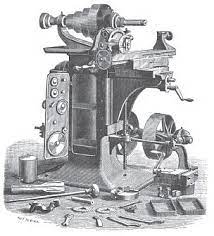
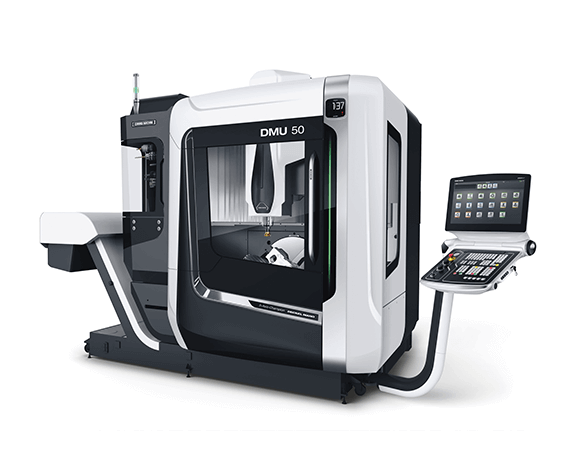
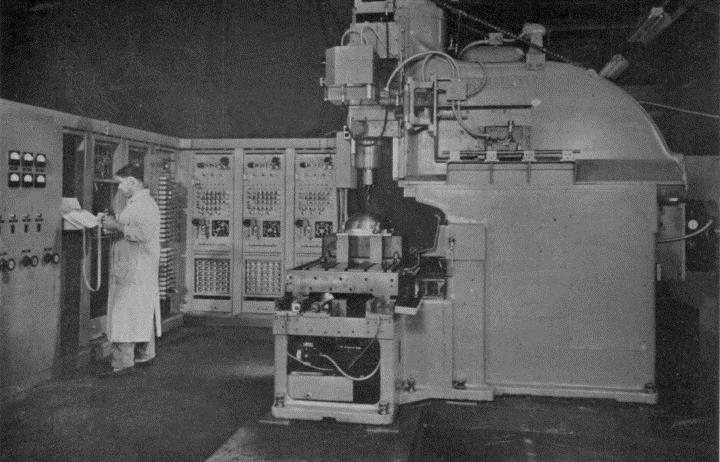
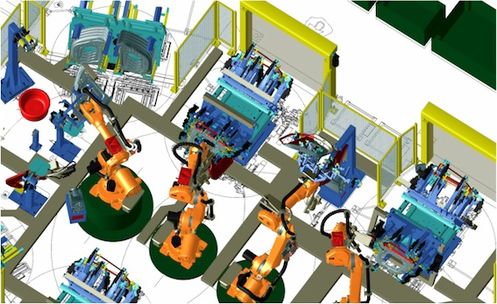
  • Evolution: purely mechanical machinery ➡︎ CNC machines ➡︎ systems of computer-controlled machines
  • DM goes within the framework of Industry 4.0
  • Industry 4.0 is the 4th industrial revolution

Evolution of manufacturing

Milling machine

CNC milling center

1st NC machine tool (MIT, 1952)

DM plant

Industry 4.0

The term is a marketing slogan for the 4th industrial revolution, which is the digitalization of manufacturing. It was coined in Germany in 2011, and it is now a worldwide concept.

  • Motivation — reaction from EU and USA to 2008 economical crisis
  • Name origin — 2011 Hannover Messe (Angela Merkel)
  • Hannover Messe 2013 — presentation of final report of the Industrie 4.0 committee, tasked by German government in 2011:
    • Design principles
    • Challenges
    • Impacts

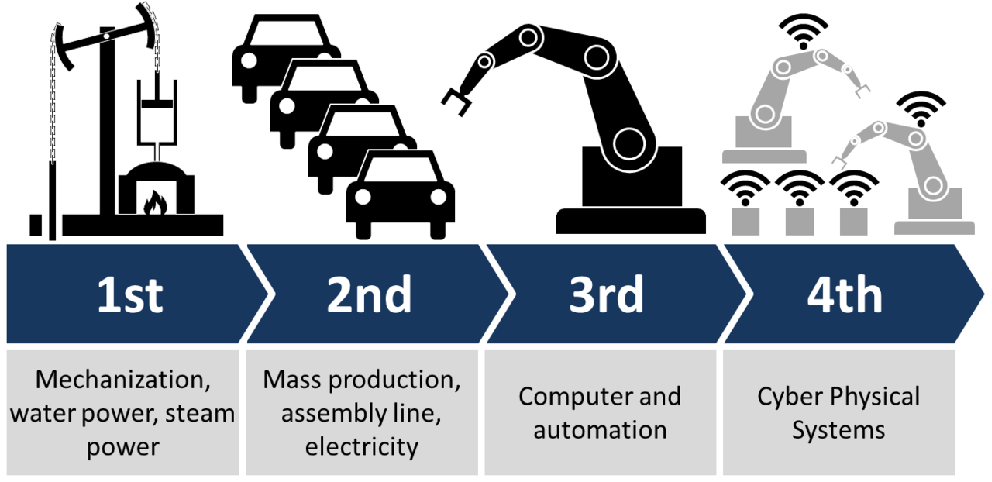
Previous industrial revolutions

First Industrial Revolution
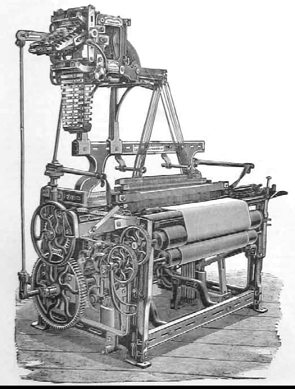
Mechanical loom, E. Cartwright, 1784

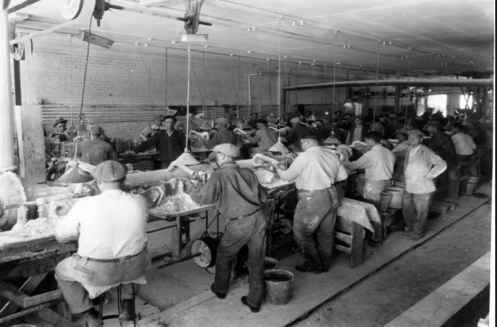
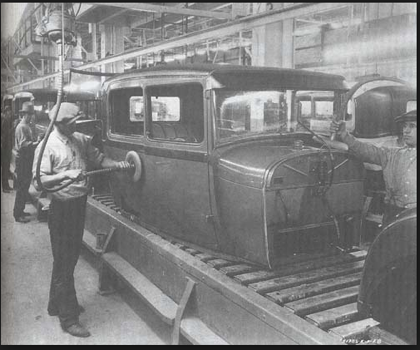
Second Industrial Revolution

Conveyor belt, Cincinnati Slaughterhouse, 1870

Conveyor belt, Ford Motor Company, 1913

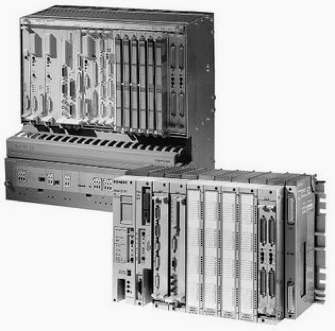
Third Industrial Revolution

PLC, Modicon 084, 1969

Industry 4.0

Objectives:

  • Re-shoring of added value in western countries
  • Sustain salaries of working- and middle-class
  • Sustain e-commerce
  • Mass customization (added value shifts from manufacturing to design)
  • Time compression (life cycle of a car from 5 to 2 years)

Industry 4.0

Design principles:

  • Interoperability (IoT, IIoT, IoP)
  • Cyber-Physical Systems (CPS)
  • Information transparency: public, open protocols; digital twins
  • Self-support and in-line help to operators
  • Decision de-centralization: autonomy, stratification, prioritization

Industry 4.0

Akin to the Yardstick of Automation (Amber & Amber, 1962)
Order Human attribute Example
0 None Manual tools
1 Energy Powered machines and tools
2 Dexterity Single-cycle automatics (dexterity = self-feeding)
3 Diligence Repeats cycle; open-loop control
4 Judgment Closed loop; numerical control; self-measuring
5 Evaluation Computer control; model of process required for automation
6 Learning Limited self-programming; some artificial intelligence
7 Reasoning Inductive reasoning (cause-effects)
8 Creativity Performs (original) design unaided
9 Dominance Machine is master (HAL 9000)

Industry 4.0

Challenges:

  • Cybersecurity
  • Reliability and resiliency of M2M communication (bandwidth and latency)
  • Drop-in, plug-in approach on existing processes
  • Intellectual property (IP) protection
  • Reluctancy to change, operators re-training
  • Corporate IT
  • Initial loss of labor

Industry 4.0

Impacts:

  • Servitization (from selling goods to selling services)
  • Productivity, and its resilience
  • Safety
  • Integrated design of product/process
  • Cost structure
  • Socio-economical factors
  • Big Data analytics

Digital Manufacturing

A set of core, enabling technologies are grounding I4.0 and DM:

  • Cyber-Physical Systems (M2M connectivity): in short, they are mechatronic systems, i.e., mechanisms, whose actuators are controlled by a computer system based on output from sensors and logics provided by algorithms
  • CPSs provide the plant controller with information on its own status
  • IIoT (connectivity layer): Industrial Internet of Things
  • Additive Manufacturing (dematerialization of design): paradigm of fully digital manufacturing process
  • Machine Learning and AI: strategy to further enhance the level of automation and enable autonomous decisions

Digital Manufacturing

  • Industrial Internet of Things (IIoT): has to support communications among CPSs (M2M communication)
  • Every device is on the network: we have tens of billions of devices globally connected, and the number is growing fast
  • Problem: IP protocol: IPv4 has \(2^{32} \simeq 4.3 \times 10^9\) addresses
  • Solutions:
    • IPv6 has \(2^{128} \simeq 3.4 \times 10^{39}\) addresses, but IPv6 adoption is slow because of the added costs and complexities
    • NAT (Network Address Translation) keeps IPv4 and addresses exhaustion problem by allowing multiple devices to share a single public IP address behind a gateway

OSI Networking Model

  • Networking stack: according to the Internet model, networking happens over a stack of 4 layers
  • Link layer (L0): physical carrier (Ethernet Cable, WiFi, etc) and its protocol (MAC, 802.11, ARP, etc)
  • Internet (or network) layer (L1): IPv4, IPv6, ICMP
  • Transport layer (L2): TCP, UDP
  • Application layer (L3): HTTP, FTP, IMAP, LDAP, …
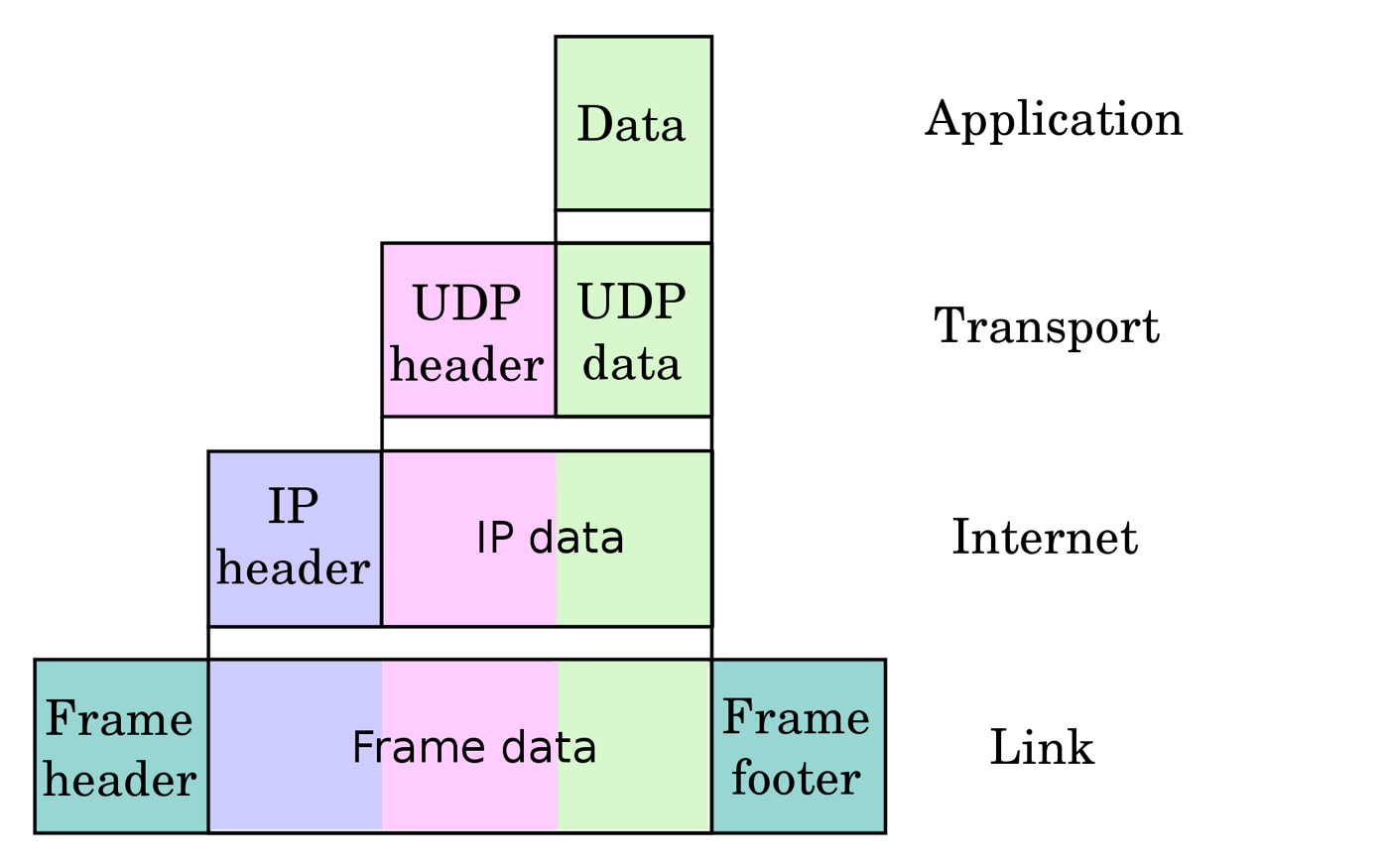
OSI layers

Digital Manufacturing

Industrial Internet of Things (IIoT): has to support communications among CPSs (M2M communication)

  • Level 0 protocols: as fast as possible; currently introducing 5G (wireless yet extra-low latency!)
  • IP protocol (L1): beside address space, IPv6 has other advantages (complex multicasting, autoconfiguration, IPsec). Its adoption is still slow, though
  • Level 3 protocols: moving from REST (HTTPS) to more lightweight message queuing protocols (MQTT, ZeroMQ, AMQP, OPC-UA)

REST vs Message Queuing

  • REpresentational State Transfer: it is an IoT extension of HTTP
  • It is not ideal:
    • Verbose: large overhead
    • Complex: PUT/GET/POST/DELETE verbs that make sense for IoP, but not for IoT
    • Polling-based, event-based actions difficult to implement
    • Point-to-point: n clients to 1 server; routing a message between clients is difficult and not efficient
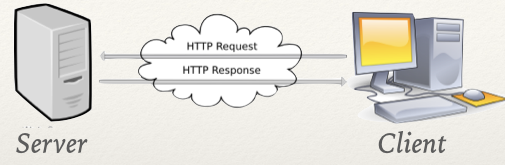
HTTP overhead

Let’s see a HTTP/TCP request/reply message exchange by capturing the whole traffic with Wireshark

  • Request phrase: GET / HTTP/1.1 (14 × 2 bytes)
  • The HTTP frame takes 153 bytes total
  • The full request stack takes 437 bytes for the minimum request
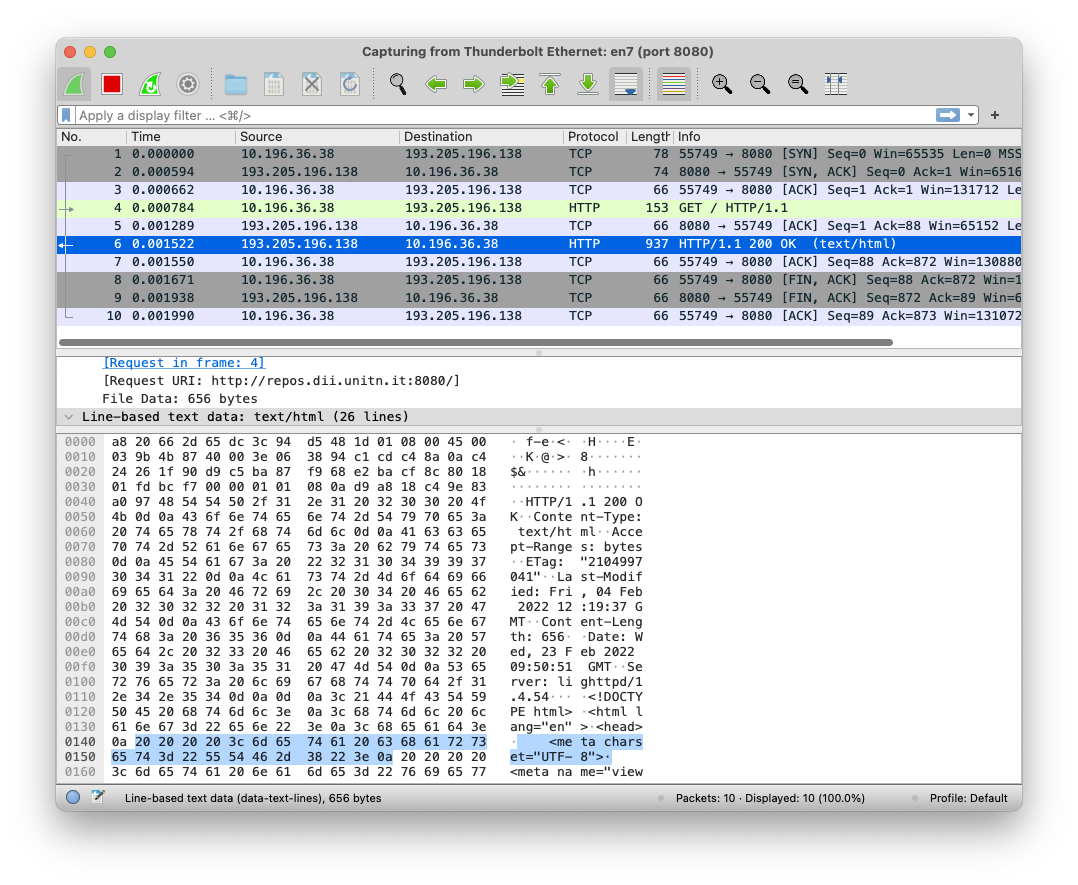
Wireshark capture

HTTP overhead

  • Response phrase: 77 bytes + HTML
  • The whole HTTP frame takes 937 bytes (including 819 bytes of HTML)
  • The full response stack takes 1201 bytes, 382 bytes for a blank page

Overhead

This is a huge overhead for a simple request/reply message exchange, and it is not acceptable for IoT communications, because it adds both bandwidth and latency
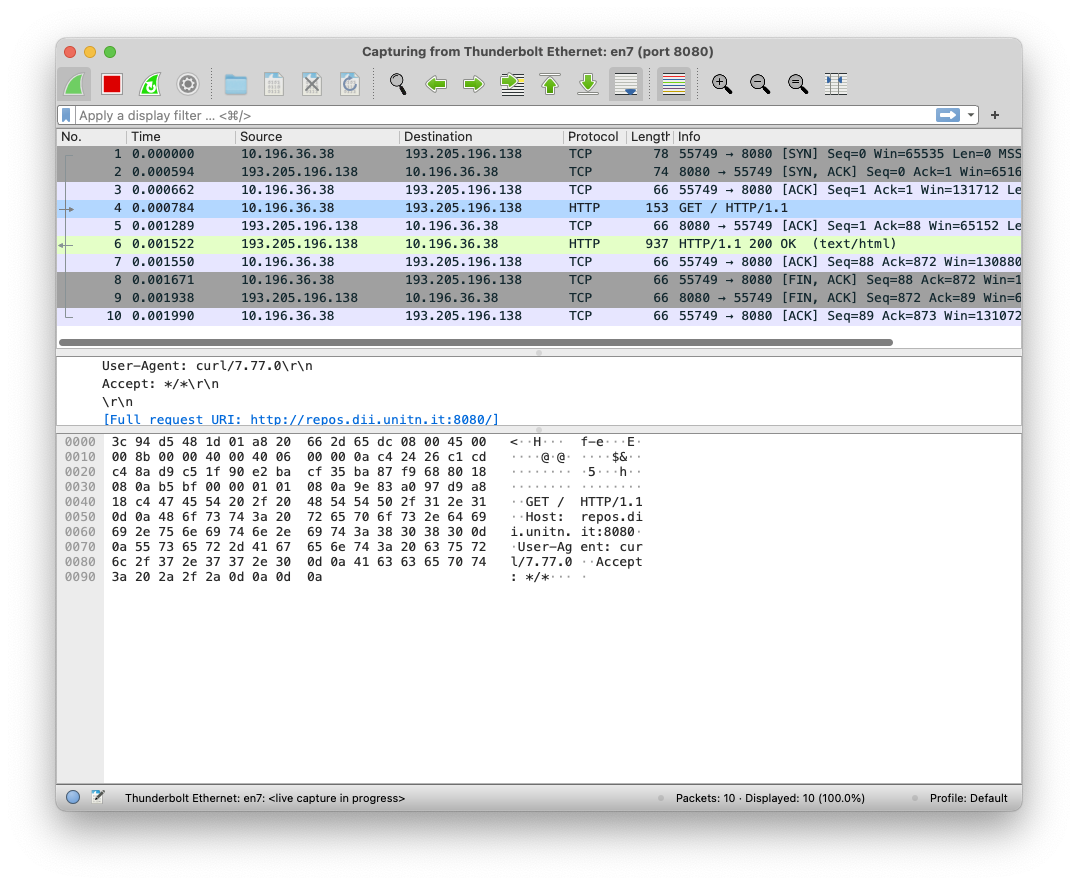
Wireshark capture

How to reduce overhead

  • Reliability and robustness are very important for IoP communications: variety of web servers, web browsers and document formats, and the web must “just work”
  • They are also important in IoT (because things must do their tasks) but we can enforce standards and minimize possible sources of unexpected conditions

Overhead can be reduced by:

  • Simpler transport layer (L2) protocol: UDP has no SYN/ACK/FIN frames (but no confirmation of delivery!)
  • Simpler application layer (L3) protocols, where the data frame is as naked as possible
  • Trading reliability and robustness for bandwidth and latency

REST vs Message Queuing
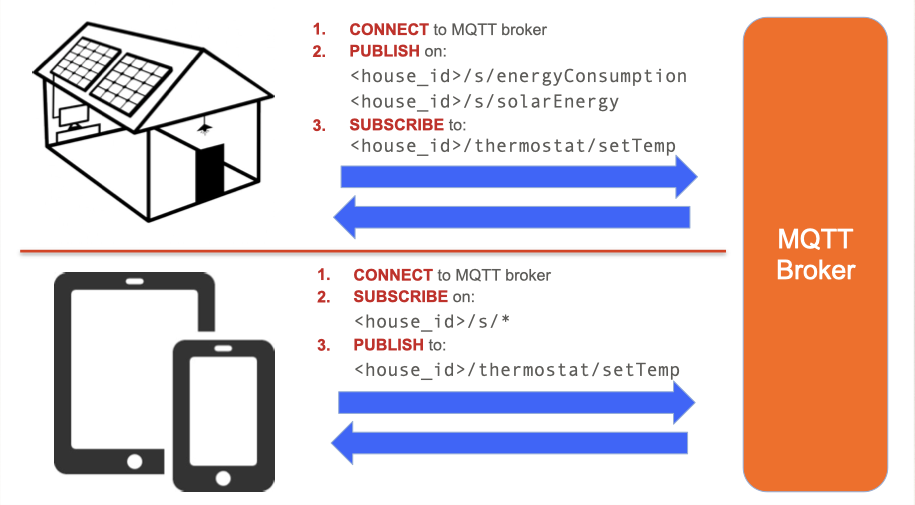
  • IoT messages are typically smaller but much more frequent than IoP messages, and may need to follow routes more complex than n-to-1 (clients–server)
    • Need to minimize overhead
    • Need to support flexible topologies
  • Message Queuing protocols (like MQTT and ZeroMQ)

flowchart LR
  P1[Publisher] --> B[Broker]
  P2[Publisher] --> B
  B --> S1[Subscriber]
  B --> S2[Subscriber]
  B --> S3[Subscriber]
  B --> S4[Subscriber]

REST vs Message Queuing

Digital Manufacturing

It is the effort of moving all information flow from the design phase to the manufacturing phase into a digital (paperless) workflow, with the final goal of minimizing human effort and intervention (automation)

  • Conventional machining: Designer ➡︎ Drawings/models ➡︎ CAM operator ➡︎ part-program ➡︎ CNC machine tool
  • Additive Manufacturing: Designer ➡︎ Machine tool (like a printer)
  • Entirely digital workflow, minimal human intervention
  • Support for Machine Learning and Artificial Intelligence:
    • Classification of operating conditions
    • Autonomous and de-centralized decision making
    • Level 7 automation on Amber & Amber’s scale

Course Matter

  1. Overview of manufacturing processes, machine architectures, control algorithms
  2. Development of a CNC kernel (motion planner and controller)
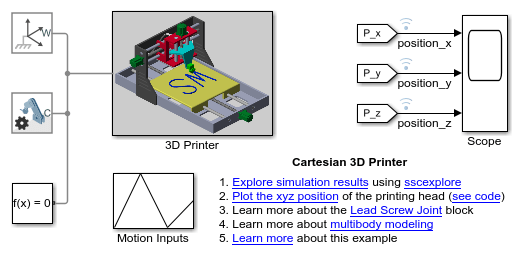
  3. Interfacing the CNC kernel with a digital twin (Simulink model) and a 3D viewer, using an IoT framework
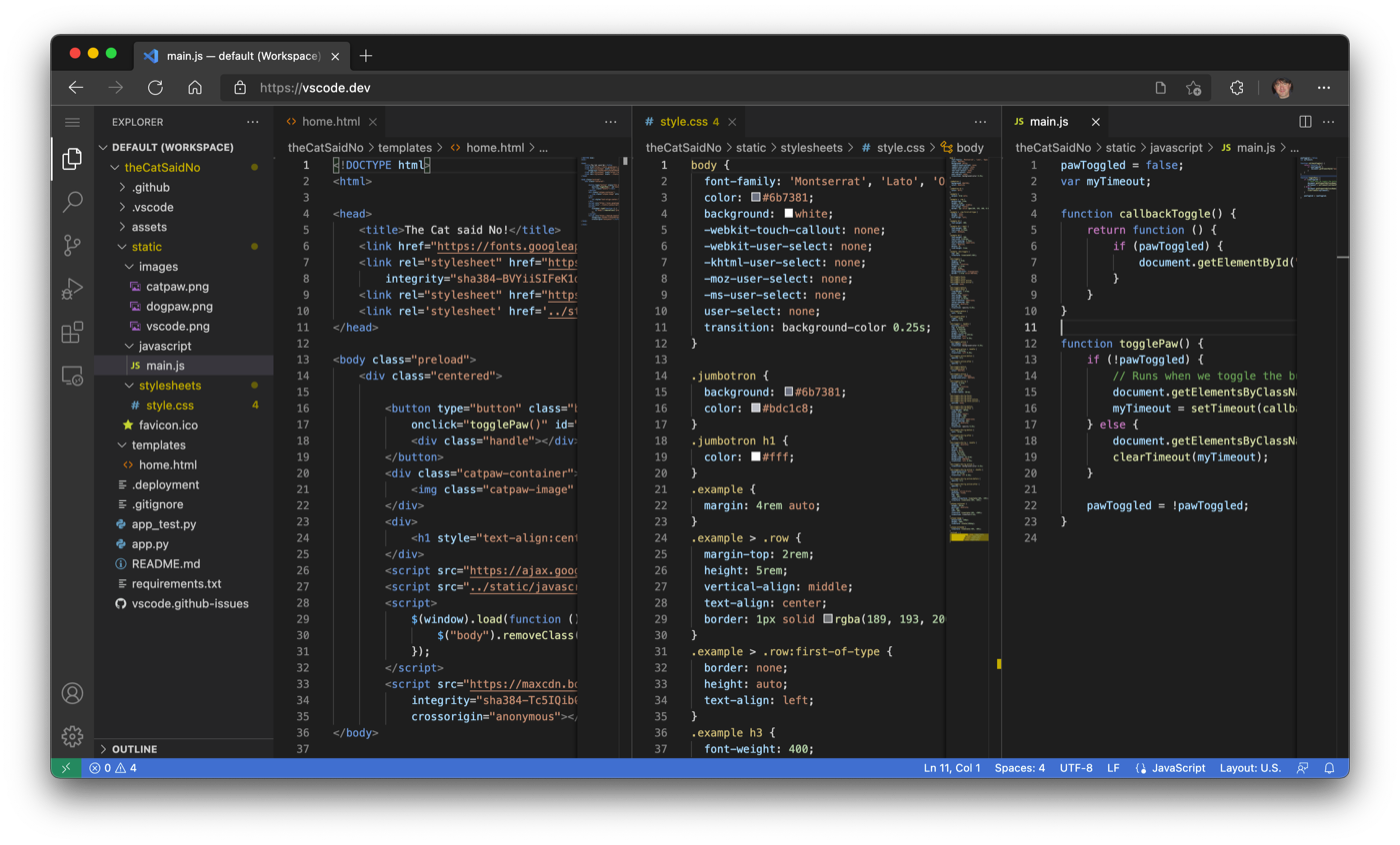
C++ development and testing

CPS simulation (Digital Twin)

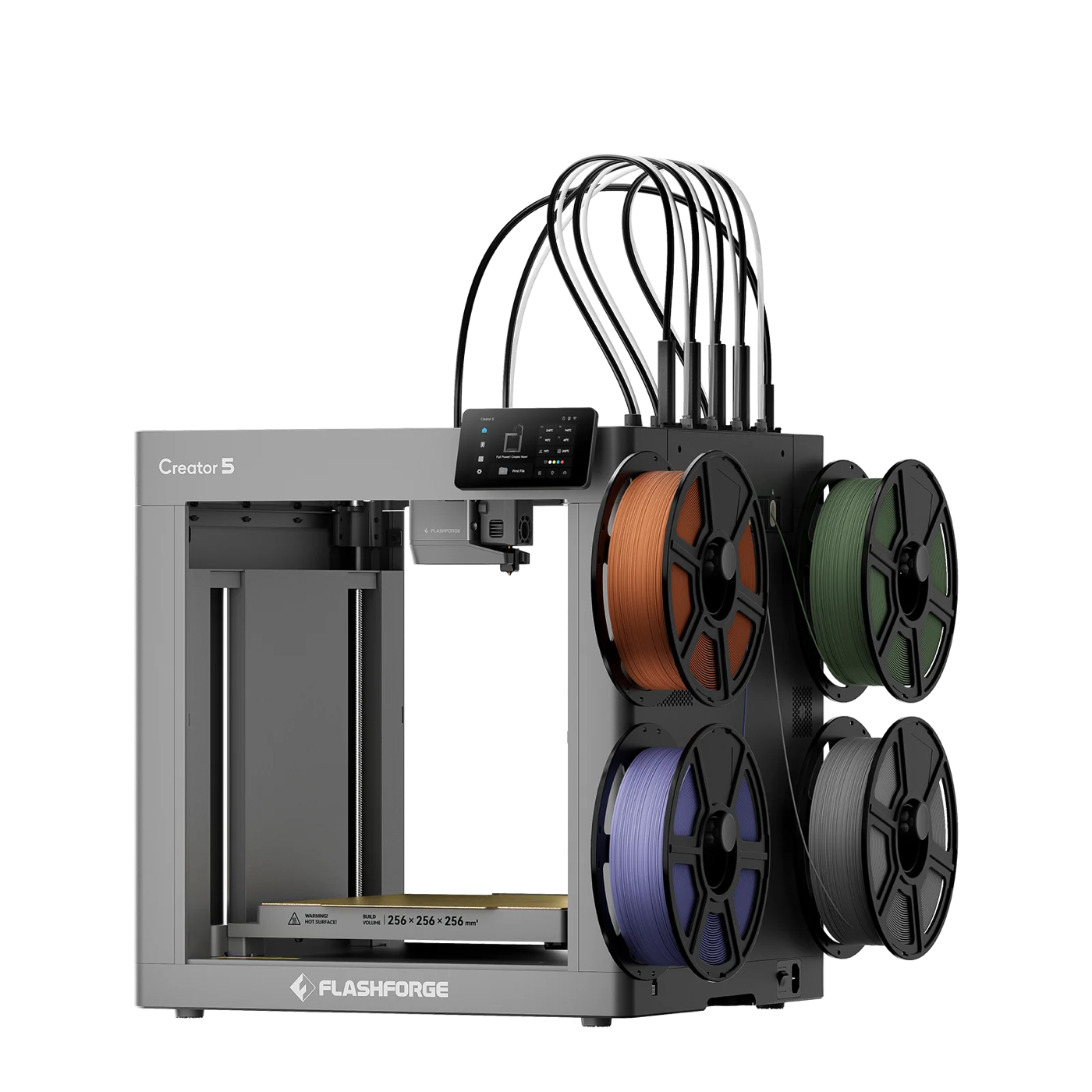
3D printer/3D viewer

Tools

  • Programming in C++: high performance, general purpose language, suitable for real-time systems (controllers), more complex to learn than C (bigger) but more abstract (does not need understanding of hardware)
  • GNU-Unix toolchain (much more common than Windows in automation)
    • Linux exposed via WSL in Windows (MacOS is UNIX already)
    • And/or custom machine simulator (faster)
  • Code will be developed in class and made available on https://github.com/pbosetti/cncpp
  • Reference IoT framework is MADS

Teaching Material

  • All teaching materials are provided via Moodle
  • Software will be made available on GitHub platform
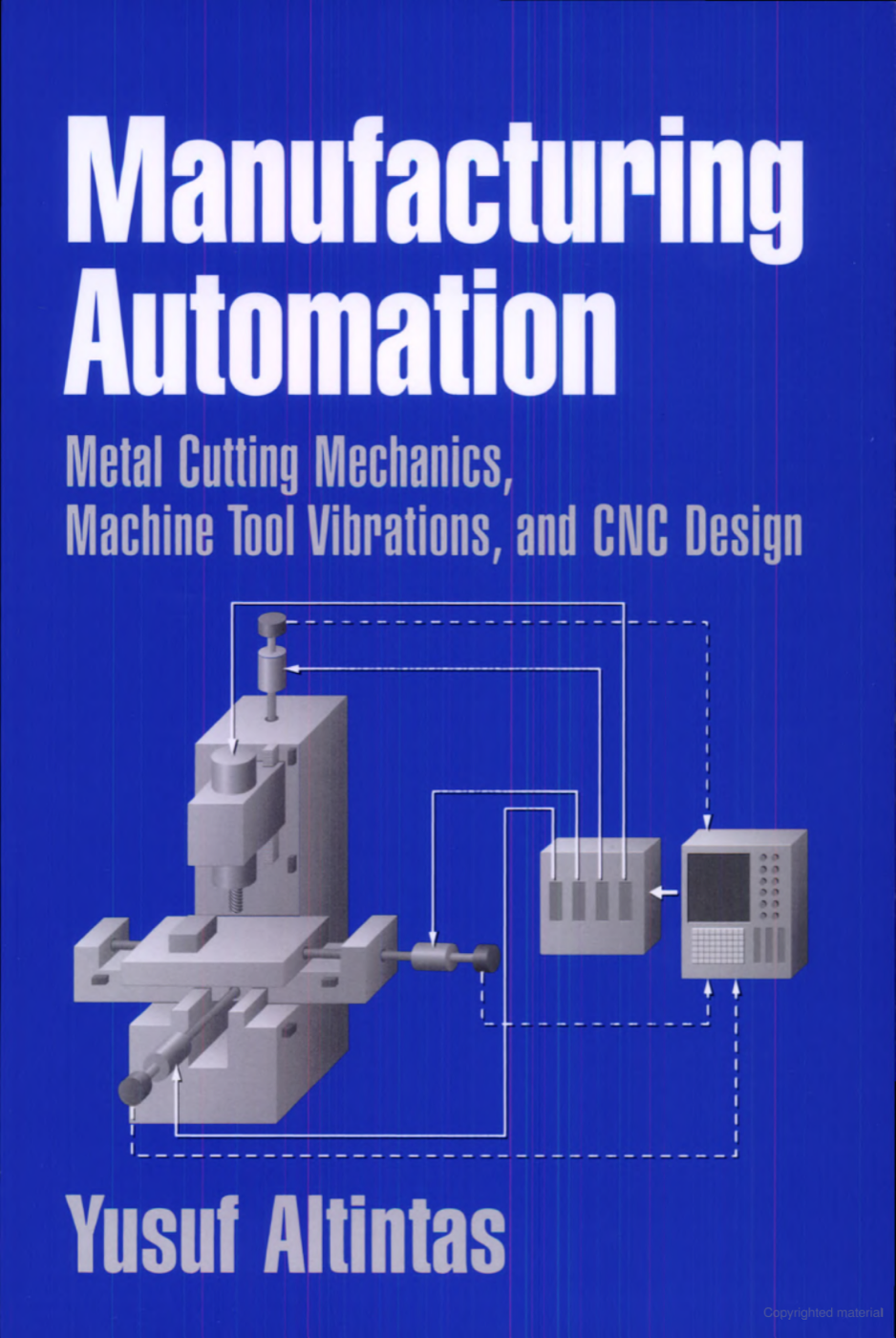
  • Reference textbook is Manufacturing Automation, by Y. Altintas (2000), available @BUM (2 copies)
Reference book

Exam rules

Normal exam

  • Each Session is made up by a mandatory written exam and an optional oral exam
    • Written exam: on Moodle platform, max 26/30
    • Oral exam: optional, max 30L/30, must be given in the same session
  • Final mark: starting from written mark, oral exam can improve or degrade it

Alternative: personal project

  • The students extend the CNC kernel developed in class to implement a selection of new features, and demonstrate it on a simulated machine
  • The project is evaluated by the teacher and the final mark is given as a single oral exam (max 30L/30)
  • Personal projects begin after the course end